 Photos: Getty ImagesSave this storySave this story
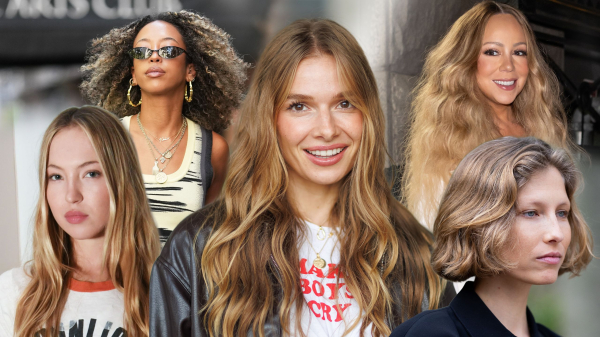
There are plenty of ways to become a blonde, but if your dream color is hair that looks naturally lightened, you’ll want to ask your colorist for blonde balayage. The technique has become synonymous with soft, dimensional color and a forgiving grow-out, but “balayage” can mean different things depending on the colorist, the starting point, and the result you want.
It also doesn’t automatically mean a subtle, barely there blonde. “People often associate balayage with ombré or muted blondes,” says Emaly Baum, colorist and founder of Beauty Supply in New York City. “While you use balayage to achieve softened blondes or more ‘grown-out’ looks, balayage is simply a technique.” That means you can go seriously blonde with balayage. It’s the placement and blending that give the color its characteristic softness.
Abby Haliti, colorist and founder of AH Color Studio in New York City, has watched as more and more clients specifically request blonde balayage over foils. “I believe blonde balayage gained popularity because clients wanted beautiful blonde color while keeping their hair feeling healthy,” she says. “Clients often tell me their hair feels healthier and the grow-out feels softer than with traditional foil highlights.”
Whether you’re starting with dark brown hair and want strategically placed blonde or you’re already fairly light and want a more dimensional result, the service can be customized considerably. We asked colorists to explain what blonde balayage involves, who it works best for, what to request when you’re in the salon chair, and how to keep those blonde pieces looking fresh—not faded or brassy—long after your appointment.
In this storyLargeChevron
- What is balayage, and how is it different from traditional highlights?
- Who is blonde balayage best for?
- How do you get blonde balayage?
- How do you maintain blonde balayage?
- Blonde balayage inspiration
What is balayage, and how is it different from traditional highlights?
Technically, balayage is a highlighting technique, not a hair color. The word has traditionally referred to hair being hand-painted, creating a more customized distribution of lighter pieces. “With balayage, we paint by hand and leave depth underneath,” says Haliti, who adds that the focus is on the surface of the hair. “That lets me follow a consistent pattern and adjust it at each appointment.” But while this is the widely understood approach to balayage, its meaning has evolved over time.
“Balayage originally meant painting highlights directly onto the hair without using foil,” says Ian McCabe, colorist and the owner of Navy in Washington, DC. “In recent years, it has become a catchall term for dimensional highlights that grow out with more ease.” That means modern balayage can involve some foil. According to McCabe, colorists may use foils alongside techniques such as back-combing to create a softer result. A root shadow can also help gradually transition from a slightly darker shade near the roots into lighter lengths, helping blur the line between the natural hair color and blonde highlights.
"The biggest visual difference between traditional blonde highlights and blonde balayage is the way the blonde transitions through the hair. “Traditional highlights are generally evenly light from root to ends, whereas balayage creates more of a gradient effect,” McCabe explains. The goal is a dimensional result with a softer, more seamless grow-out.
“Traditional foil highlights yield more structured, precise results that require more frequent maintenance,” says Haliti. On the other hand, balayage is much softer and more diffused than traditional foil highlights, often creating a sun-kissed appearance. “This doesn’t mean that you can’t be super blonde with balayage,” Baum says. “It just means that your grow-out is going to be that much better.”
Paige Van Ryswyk, a colorist and hairstylist at Scotch Bonnet Hair Studio in West Palm Beach, Florida, agrees that balayage is particularly suited to a lived-in effect, but that it doesn’t rule out a brighter impact. “Blonde balayage is simply best for a more low-maintenance client,” she says.
If you've been avoiding balayage because you think it means you'll end up with barely perceptible beige ribbons, reconsider. Blonde balayage can be very blonde. But if those barely perceptible beige ribbons sound right up your alley, good news: Blonde balayage is also right for you. It’s just that adaptable.
Who is blonde balayage best for?
One of the technique's biggest advantages is flexibility. “Because balayage is so customizable, it’s suitable for most people,” Baum says. It's particularly appealing if you want fewer salon appointments and don't want to see an obvious line of demarcation. “I think the client who is opting for blonde balayage definitely wants an easier grow-out with fewer appointments to maintain their roots,” she says.
And you don't need to start out blonde to benefit from blonde balayage. “It works exceptionally well on brunettes to add dimension and brightness, as well as on red hair to create depth,” Haliti says. The amount of maintenance depends on how dramatic the transformation is. Someone with a dark base who wants a few dimensional blonde pieces has a different journey ahead of them than someone seeking an overall very light blonde effect. Your starting color also affects what blonde tone makes the most sense. “If someone has an incredibly dark base color, a platinum blonde balayage will probably not complement them as well as a bronde dimensional look,” Van Ryswyk says.
That doesn't mean dark-haired clients are excluded from blonde balayage. It just means the consultation should be about finding a blonde tone that works with your existing color rather than treating Pinterest photo inspo as a promise of what you’ll be able to achieve.
How do you get blonde balayage?
Bring photos, but don't just show your colorist a picture and say, “I want this.” Talk through what you actually like about it, and listen when they tell you what is and isn’t feasible. Do you want blonde concentrated around the face? Lighter mid-lengths and ends? A subtle, sunny effect? A bold contrast between your base and blonde? Do you want your natural roots left mostly untouched? These are all factors that will help determine what your colorist will do.
Van Ryswyk says that, regardless of the overall look, the goal is to create enough blending that you don't feel desperate to get back into the salon before your scheduled appointment. For an especially low-maintenance version, your colorist can strategically keep the roots natural. For a brighter result, they may create more lightness and contrast throughout the hair.
There isn't one correct version of blonde balayage; there's the version that fits your hair and your ability to maintain it.
How do you maintain blonde balayage?
Both Haliti and Van Ryswyk recommend booking appointments three to six months out, compared with closer to two months for highlights that start at the scalp. The beauty of balayage is that you can go a long time between appointments “due to the subtle grow-out process,” Haliti says—but your home routine still matters.
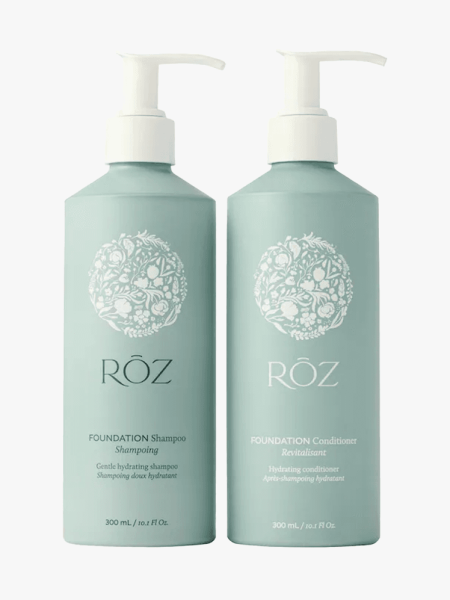
All of the colorists we spoke to emphasized the importance of a gentle, color-safe shampoo and a moisturizing conditioner. “I really like the Rōz Foundation Shampoo and Conditioner,” Baum says. “They leave the hair feeling clean and moisturized, but the conditioner is not too heavy.”
 Save to wishlist
Rōz
Foundation Shampoo and Conditioner
Shop
Sephora
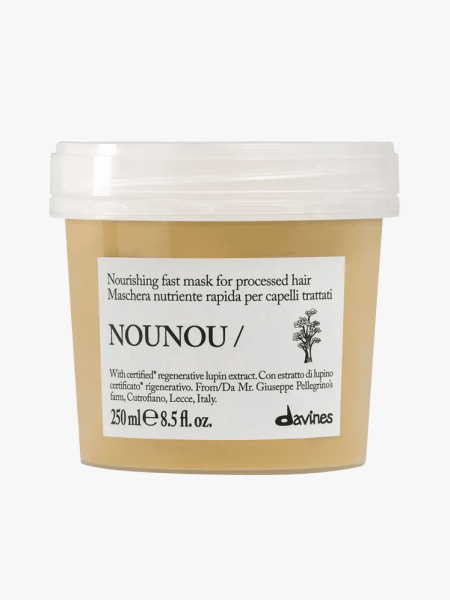
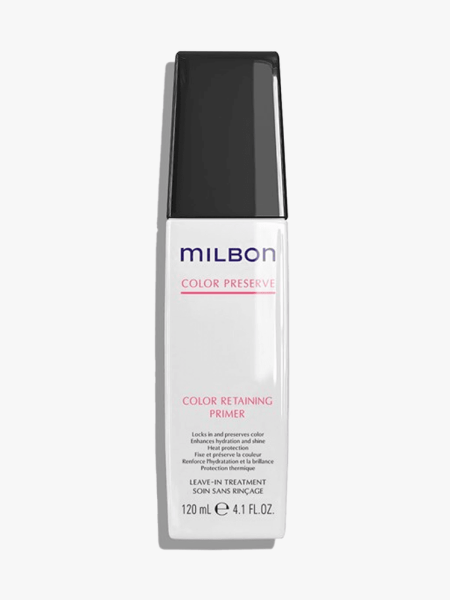
Leave-in treatments are also a must—especially those that promise heat protection if you’re not just air-drying. “Always use heat protection when using a blow-dryer or hot tools, and keep your tools set to a lower temperature to avoid burning the hair, which can increase fading or discoloration,” says McCabe, who recommends the Milbon Color Retaining Primer because it also protects hair against UV exposure. For deeper conditioning, he recommends using a mask, like the Davines Nounou Mask, weekly or every other week.
 Save to wishlist
Davines
Nounou Mask
Amazon
Nordstrom
Sephora
 Save to wishlist
Milbon
Color Retaining Primer
Sleekshop
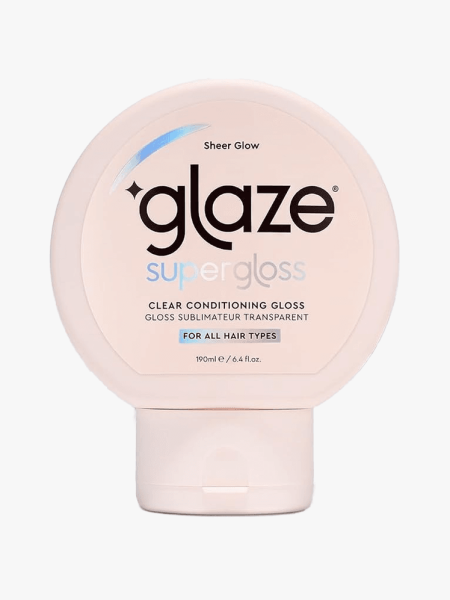
For extra credit, try an at-home gloss—even if it’s just a colorless one. “An at-home hair gloss can be really beneficial for keeping your balayage looking fresh and shiny,” says Baum, who recommends the clear version of Glaze Supergloss to her clients because it restores movement to the highlights. “The shade Vanilla Lights is also a great option to help neutralize brassiness.”
 Save to wishlist
Glaze
Supergloss
Amazon
Blonde balayage inspiration
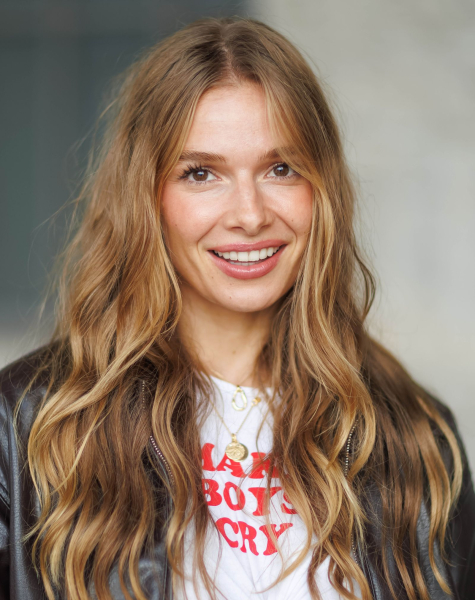 Photo: Getty Images
 Photo: Getty Images
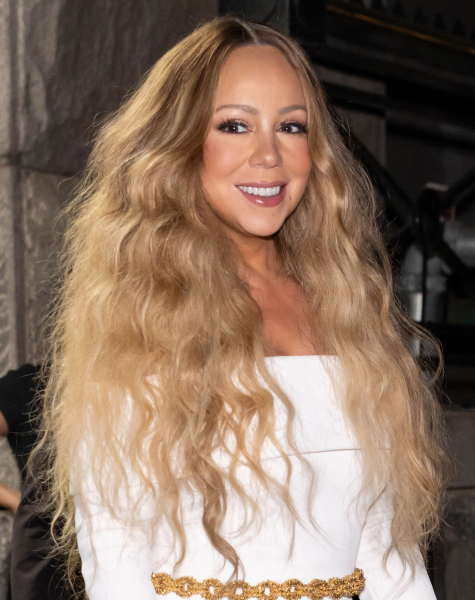 Photo: Getty Images
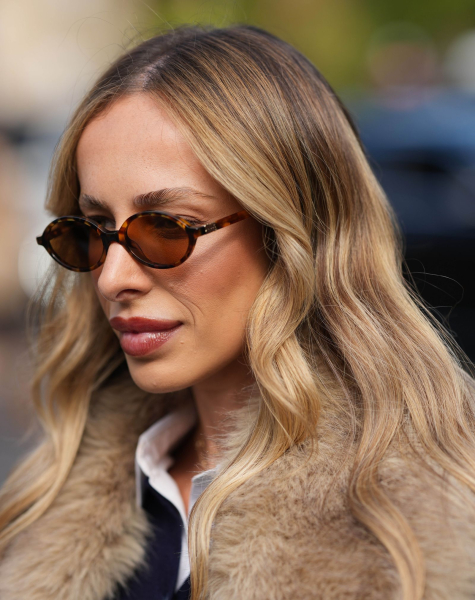 Photo: Getty Images
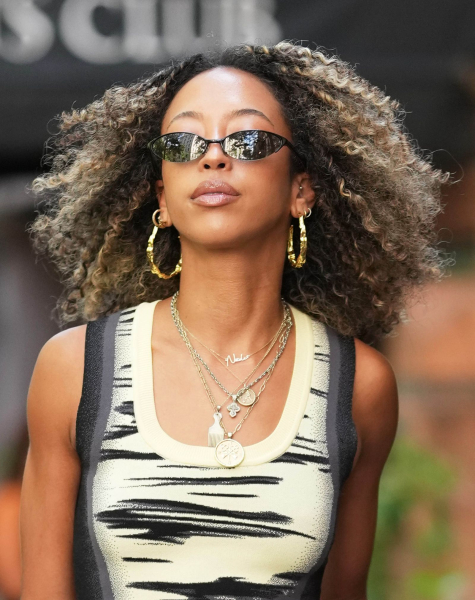 Photo: Getty Images
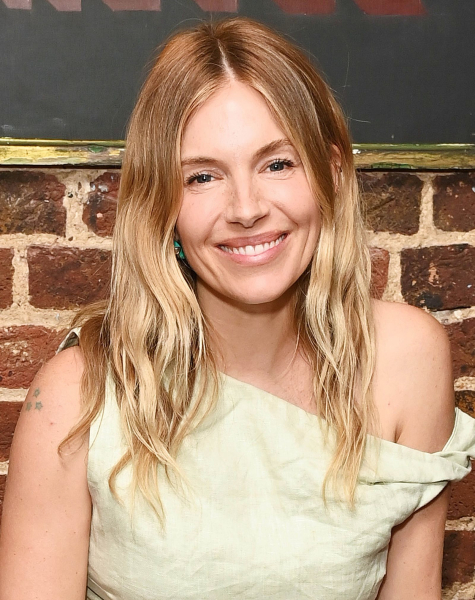 Photo: Getty Images
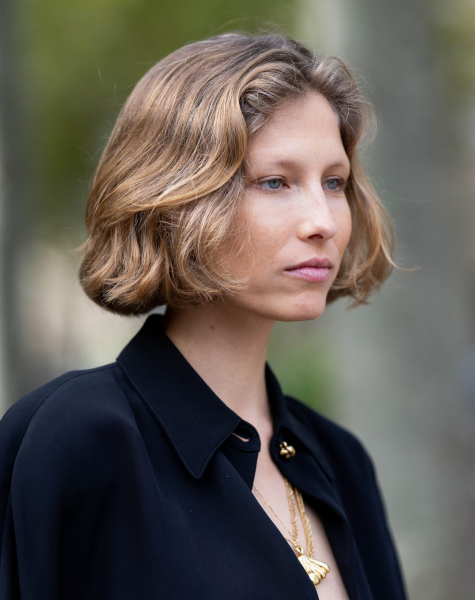 Photo: Getty Images
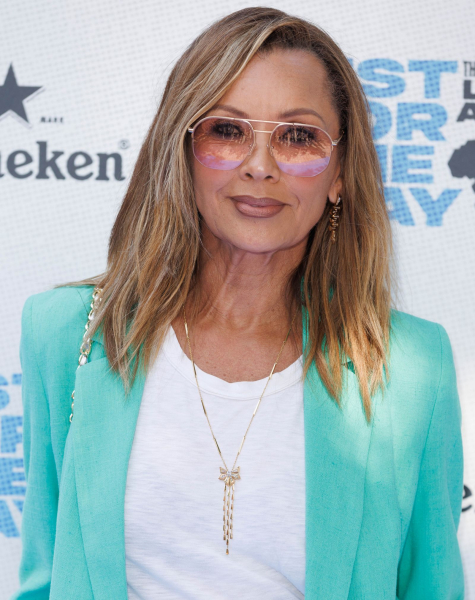 Photo: Getty Images
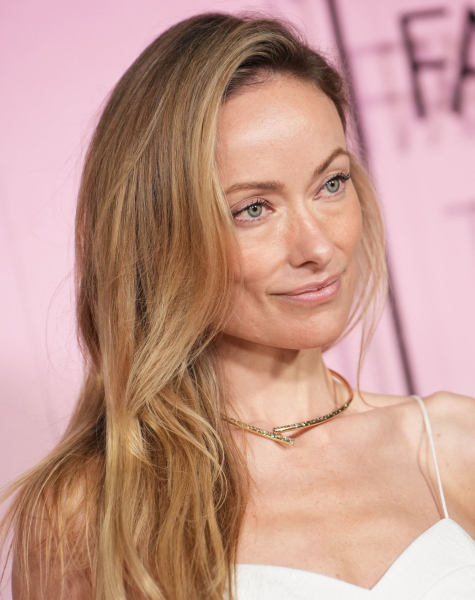 Photo: Getty Images
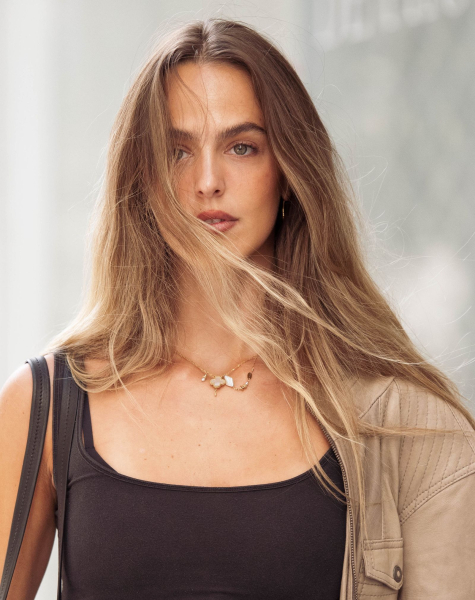 Photo: Getty Images
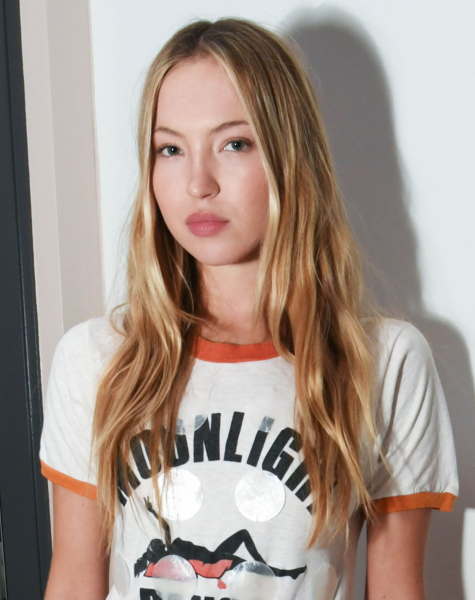 Photo: Getty Images
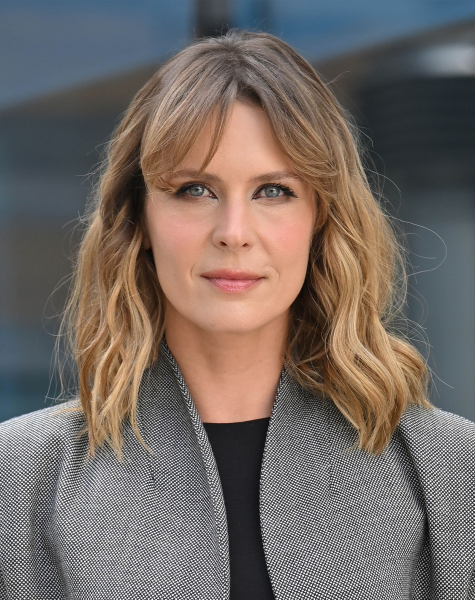 Photo: Getty Images
Meet the experts
LargeChevron
- Emaly Baum is a colorist and founder of Beauty Supply in New York City.
- Abby Haliti is a colorist and founder of AH Color Studio in New York City.
- Ian McCabe is a colorist and the owner of Navy in Washington, DC.
- Paige Van Ryswyk is a colorist and hairstylist at Scotch Bonnet in West Palm Beach, Florida.
Leave a Reply